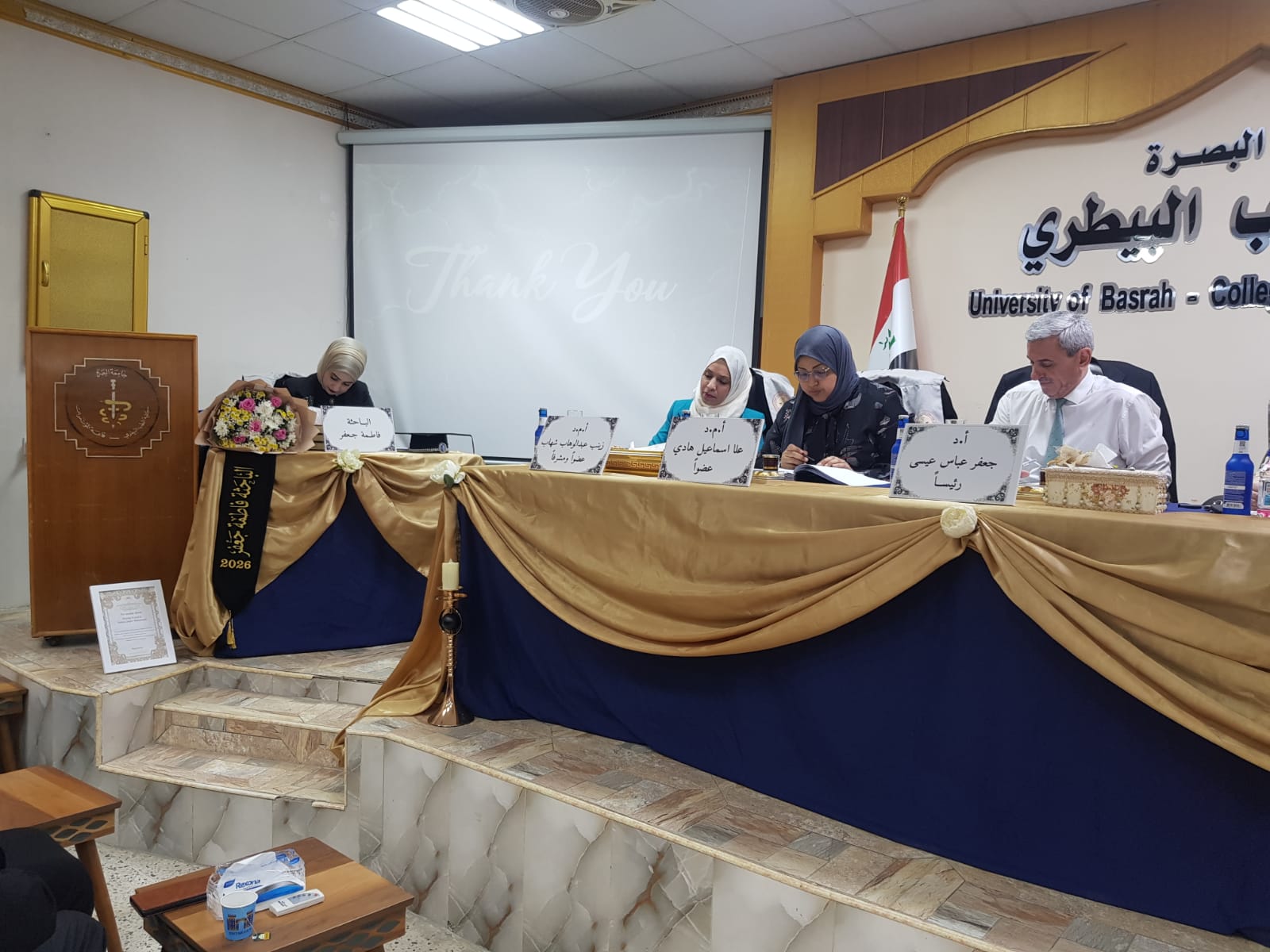
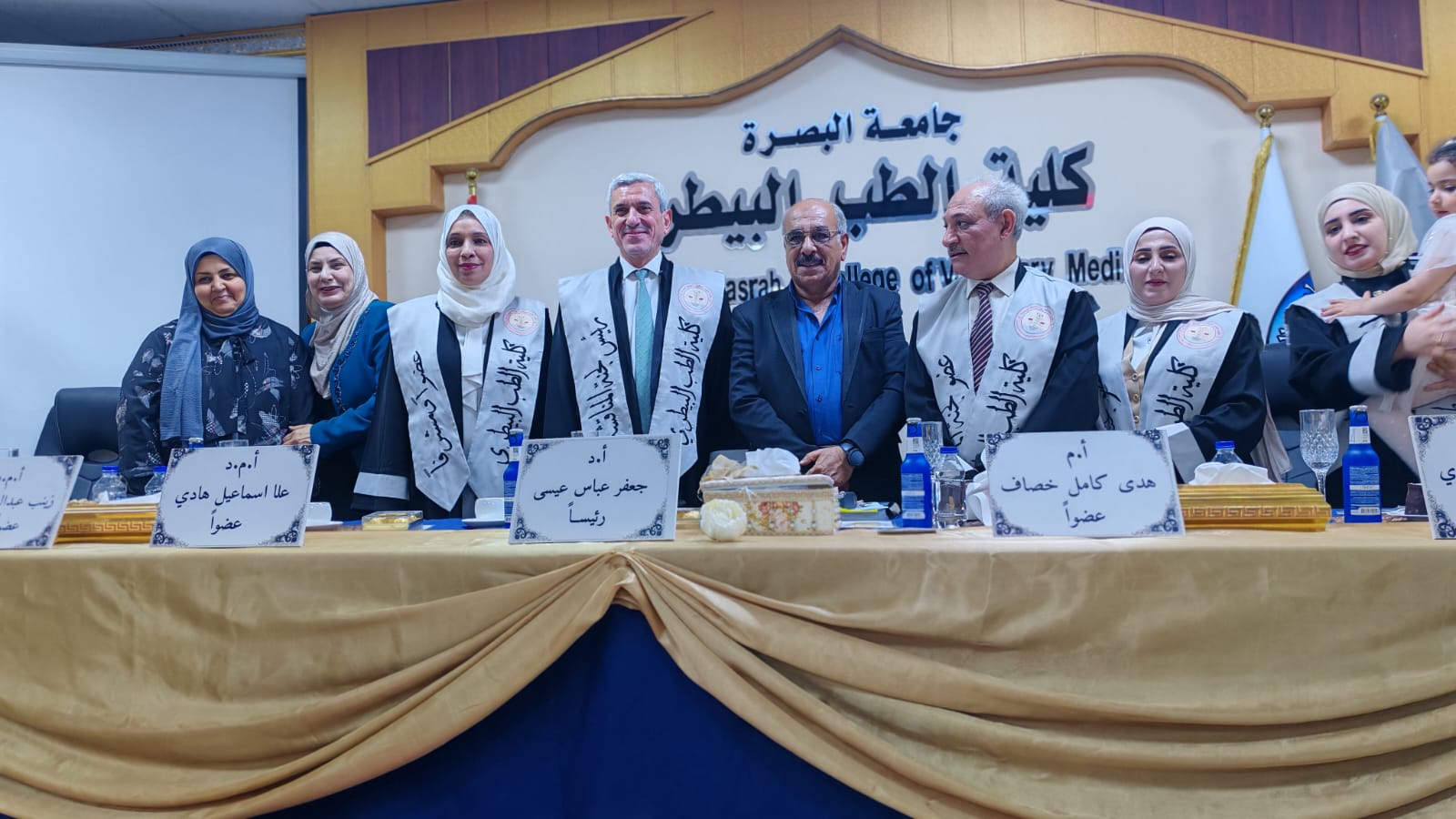
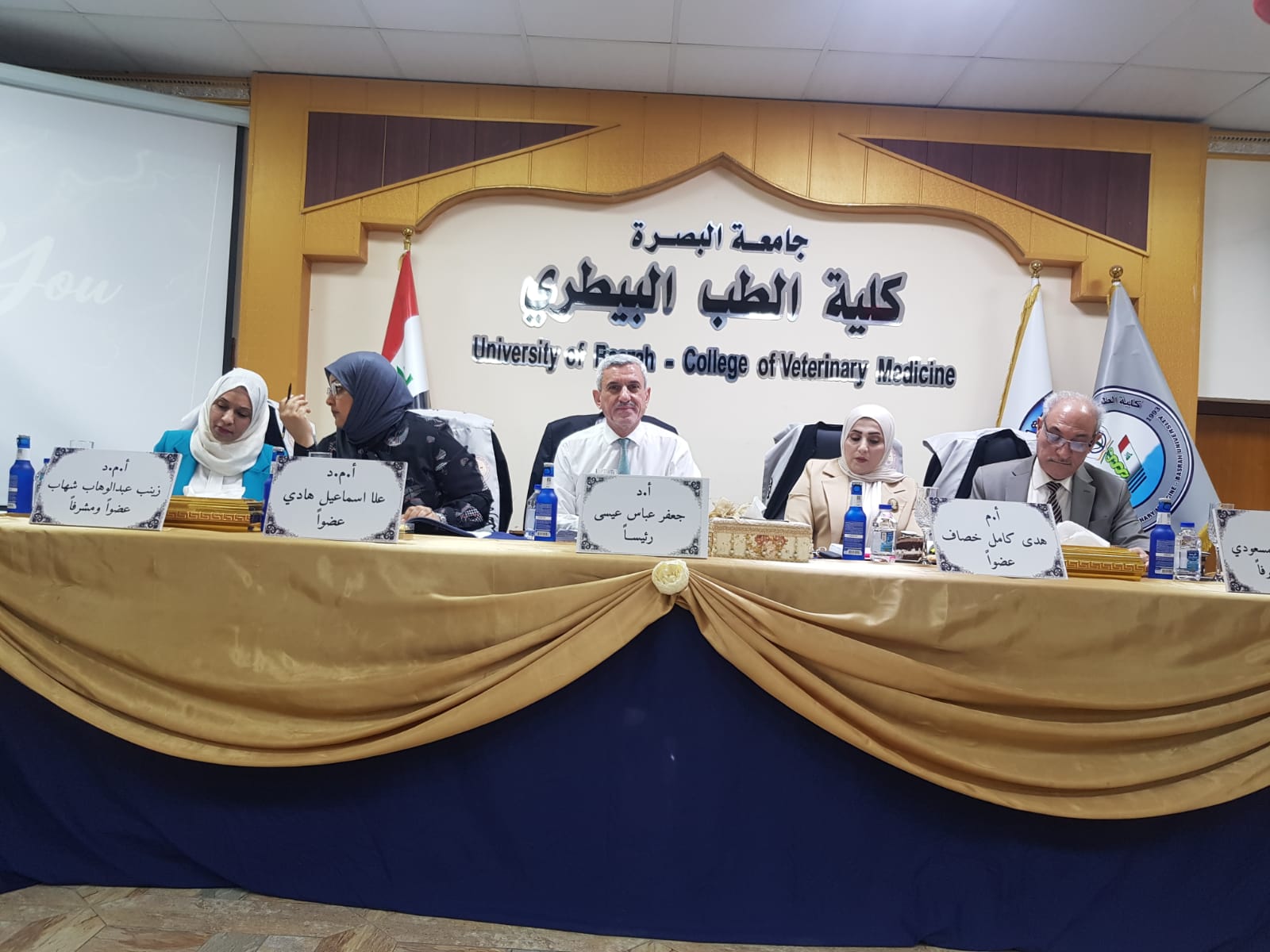
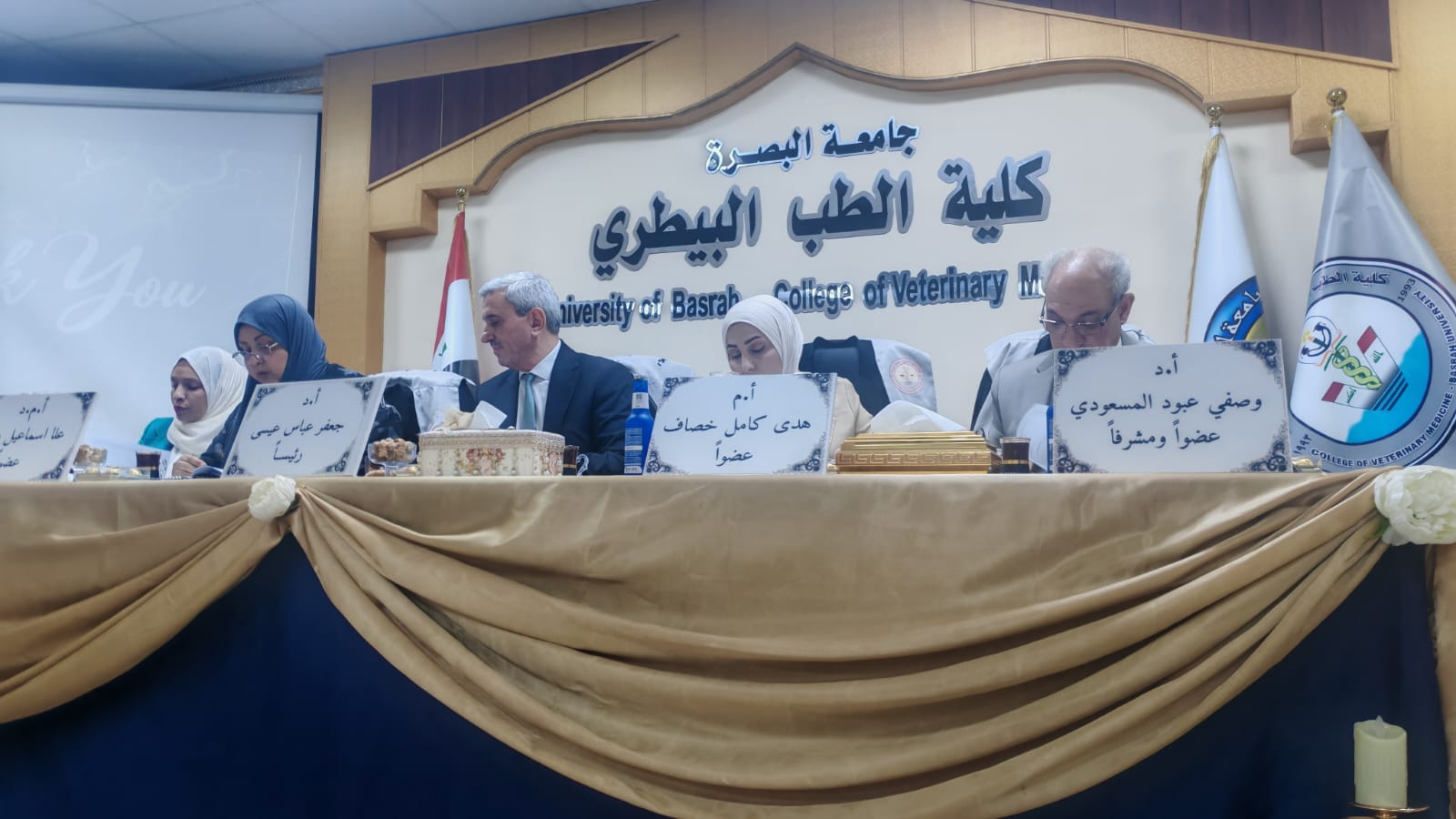
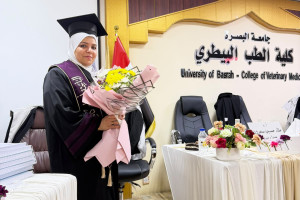
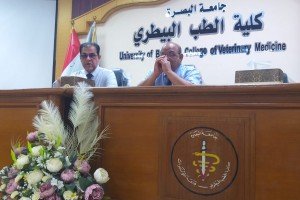
A Master’s thesis at the University of Basrah, represented by the College of Veterinary Medicine, examined the impact of cobalt nanoparticles on diabetes under the title: “Physiological Effects of Cobalt Nanoparticles Coated with Alcoholic Extract of Artemisia officinalis on Laboratory Rats with Alloxan-Induced Diabetes.”
The research, conducted by graduate student Fatima Jaafar Mohammed, investigated the therapeutic potential of cobalt nanoparticles coated with Artemisia officinalis extract in treating experimentally induced diabetes in laboratory rats, while also comparing their effects with those of the plant’s alcoholic extract alone.
The findings demonstrated that cobalt nanoparticles produced a strong therapeutic response by stimulating pancreatic beta cells to enhance insulin secretion and reduce blood glucose levels. The treatment also resulted in notable improvements in liver and kidney functions, restoration of metabolic balance, and enhanced tissue regeneration, showing greater effectiveness than the alcoholic extract alone.
The thesis recommended the adoption of nanoparticle-based therapies as a promising alternative to conventional antidiabetic drugs such as Metformin, due to their ability to target tissues rapidly at lower doses. It further highlighted the importance of combining medicinal plants with nanotechnology to support the development of healthcare and veterinary medicine in Iraq.
Media and Government Communication Division – College of Veterinary Medicine – University of Basrah